
'%3e%3cpath%20d='M8%2014C11.3137%2014%2014%2011.3137%2014%208C14%204.68629%2011.3137%202%208%202C4.68629%202%202%204.68629%202%208C2%2011.3137%204.68629%2014%208%2014Z'%20fill='%23F0F0F0'/%3e%3cpath%20d='M14.0007%208.0001C14.0007%205.62133%2012.6164%203.56596%2010.6094%202.59546V13.4047C12.6164%2012.4342%2014.0007%2010.3789%2014.0007%208.0001Z'%20fill='%23D80027'/%3e%3cpath%20d='M2%208.0001C2%2010.3789%203.38434%2012.4342%205.39131%2013.4047V2.59546C3.38434%203.56596%202%205.62133%202%208.0001Z'%20fill='%23D80027'/%3e%3cpath%20d='M9.04254%208.78276L10.086%208.26102L9.56428%208.00016V7.47842L8.5208%208.00016L9.04254%206.95667H8.5208L7.99905%206.17407L7.47731%206.95667H6.95557L7.47731%208.00016L6.43383%207.47842V8.00016L5.91211%208.26102L6.95557%208.78276L6.69471%209.3045H7.7382V10.0871H8.25991V9.3045H9.3034L9.04254%208.78276Z'%20fill='%23D80027'/%3e%3c/g%3e%3cdefs%3e%3cclipPath%20id='clip0_17246_88409'%3e%3crect%20width='12'%20height='12'%20fill='white'%20transform='translate(2%202)'/%3e%3c/clipPath%3e%3c/defs%3e%3c/svg%3e)

Cordless vs Corded Blinds: How Modern Window Treatments Have Evolved
The shift from corded to cordless blinds has transformed how window treatments work, making today’s options cleaner, safer, and easier to use
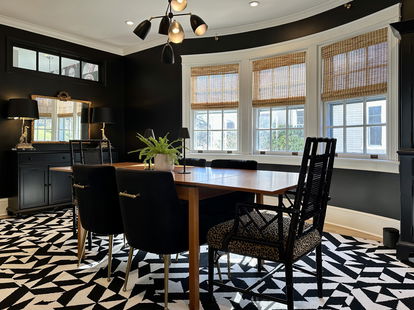
The discussion around cordless vs corded blinds looks very different today than it did just a few years ago. With new U.S. regulations in place, most window coverings are now designed without external cords, changing both how they look and how they function. What hasn’t changed is the goal: simple, reliable control over light and privacy.
While corded blinds were once common, today’s cordless blind systems are built to be smoother, safer, and easier to live with. At Blinds To Go, this shift has focused on keeping everyday operation intuitive while improving safety and overall design.
Why the Cordless vs Corded Blinds Conversation Still Matters
Even though corded systems are no longer widely available, people still search for cordless blinds vs corded blinds because they want to understand what has changed. Older corded designs depended on hanging pull cords, which could tangle, wear out, or get in the way over time.
Cordless blinds remove those issues by building the operating system inside the product. The result is a cleaner look at the window, smoother movement, and a safer experience in homes with kids or pets. This is why the cordless vs corded blinds conversation still matters when choosing window treatments today.
How Blinds To Go Designs Fully Cordless Window Treatments
Blinds To Go designs its product line so that cordless operation feels natural, not like an add-on. This approach applies across roller shades, Roman shades, wood and faux wood blinds, and cellular shades, giving you consistent performance no matter the style you choose.
Instead of relying on external cords, today’s systems use internalized lift and control technology. This makes the experience quieter, smoother, and visually cleaner compared to older corded blinds.
How Modern Cordless Systems Work in Everyday Use
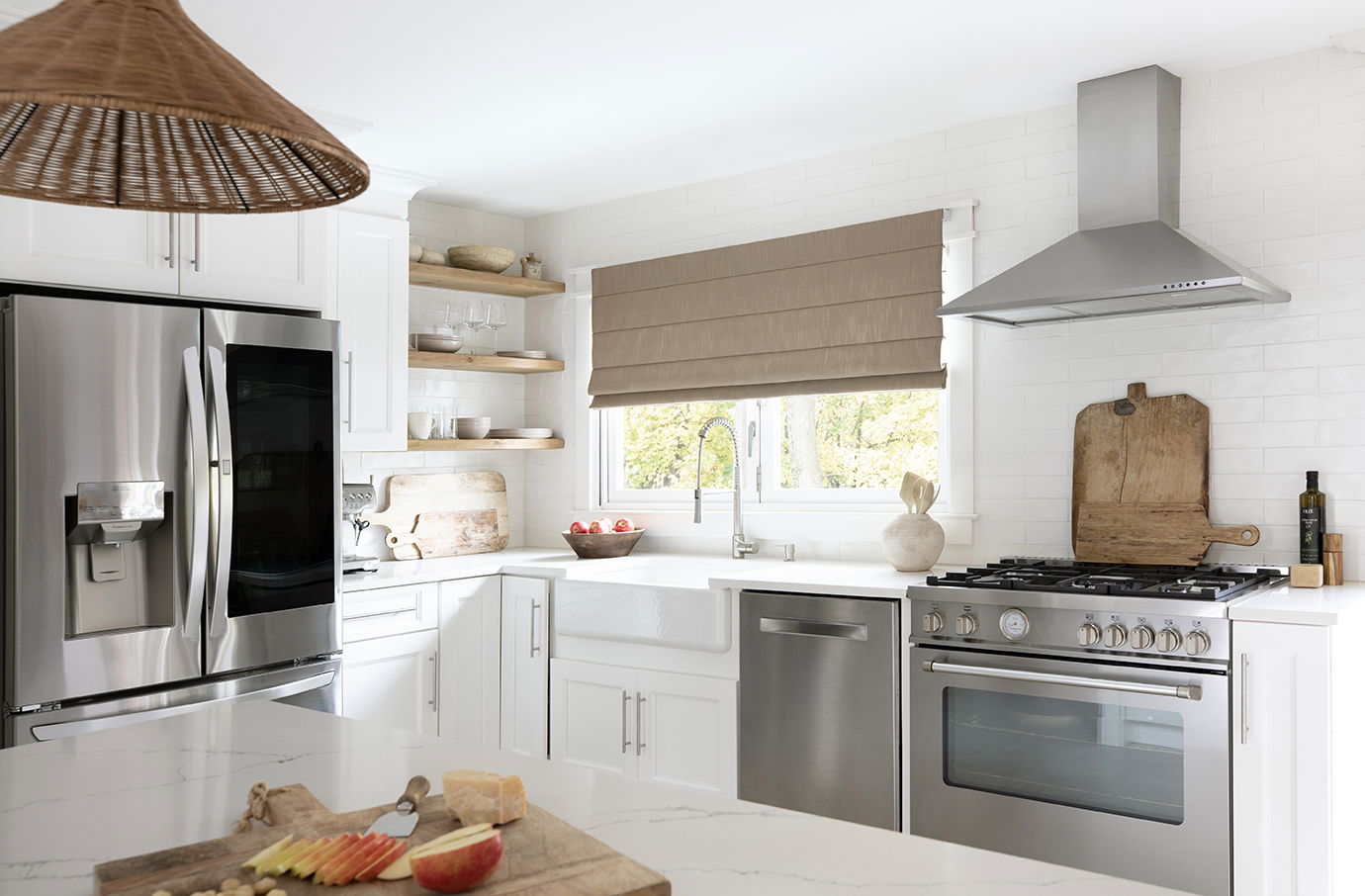
Top-Down Bottom-Up Roman and Cellular Shades
Our Top-Down Bottom-Up Roman Shades and cellular shades give you more flexibility at the window You can lower the shade from the top, raise it from the bottom, or meet in the middle to balance light and privacy.
Because these systems are fully cordless, they move easily and stay in place without dangling cords. This makes them especially useful in living rooms, bedrooms, and street-facing spaces where you want light without feeling exposed.
Day and Night Cellular Shades in a Cordless Design
Day and night cellular shades combine two fabrics in one shade, letting you switch between light filtering and room darkening without changing products. This is all handled through a cordless system that keeps the window looking neat and uncluttered.
These shades work well in spaces that serve more than one purpose, like bedrooms, home offices, and open living areas where you want flexible light control throughout the day.
Aluminum Blinds with Cordless Tilt Control
Certain styles of our Aluminum blinds now use a cordless tilt system that lets you adjust slats without traditional cords or wands. You simply control the angle through a built-in mechanism that feels intuitive to use.
This gives you the clean look of horizontal blinds with smoother, more precise light control, while staying aligned with modern safety standards.
Built-In Safety Features That Replace Traditional Corded Blinds
Twin Pull System with Certified Child and Pet Safety
Some Blinds To Go products feature a certified child and pet safe twin pull system. This design replaces traditional corded operation with a safer, controlled way to raise and lower your window treatments.
It allows for smooth, balanced movement without loose cords, making it a practical choice for family spaces, nurseries, and high-traffic areas.
Sidewinder Chain System with Added Safety Features
Certain products use a sidewinder chain system that includes multiple built-in child safety features. Instead of the long, loose cords seen in older corded blinds, this design keeps the operating chain secure and properly tensioned. This creates a balance of durability and safety while still giving you precise control over your shades.
Choosing Between Cordless Blind Styles for Your Home
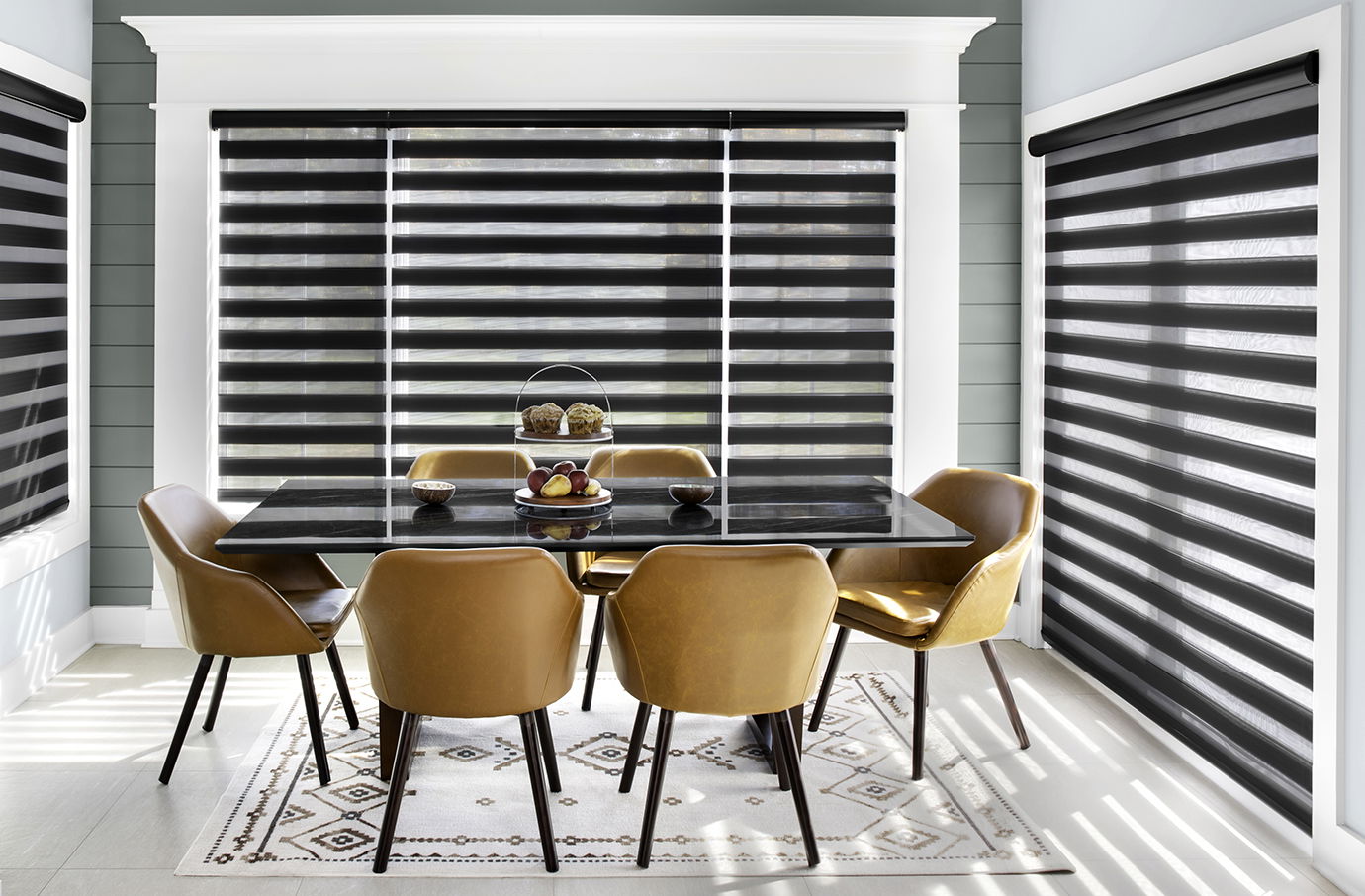
With corded options mostly phased out, choosing the right cordless blind is more about the look and function you prefer. Roller shades offer a clean, modern feel. Wood and faux wood blinds add warmth and structure. Roman shades soften a room. Cellular shades stand out for their energy efficiency and light control.
If you’d like to see colors, textures, and materials in your space before deciding, you can order free samples from Blinds To Go to make the process easier and more confident.
See and Feel the Difference
Making the Transition from Corded to Cordless Simple
If you're used to older corded blinds, switching to cordless window coverings is usually easier than expected. The controls feel intuitive, the look is more streamlined, and you don't have to manage dangling cords or tangled mechanisms.
For rooms with tricky windows or if you’d like hands-on guidance, you can schedule an in-home appointment with a Blinds To Go consultant to help you choose the right options and get accurate measurements.
The shift in the cordless vs. corded blinds conversation reflects how much the industry has changed. Rather than choosing between two systems, today’s shoppers benefit from advanced cordless designs that are quieter, safer, and more refined. With options like top down bottom up shades, cordless tilt blinds, twin pull systems, and safer sidewinder controls, modern window treatments are built for real homes and everyday use.
Sign Up & Save $50 OFF
By filling out the above information, I agree to receive promotional emails and other communications from Blinds To Go. I understand I may unsubscribe at any time. Contact us for details or view our Privacy Policy