Questions? We're Here To Help.
Basement Window Treatment Solutions from Blinds To Go
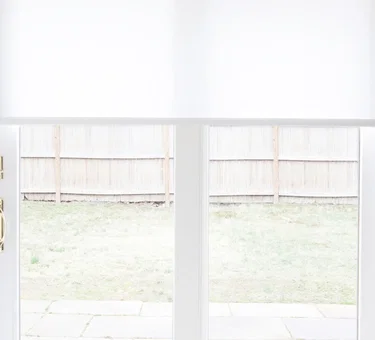
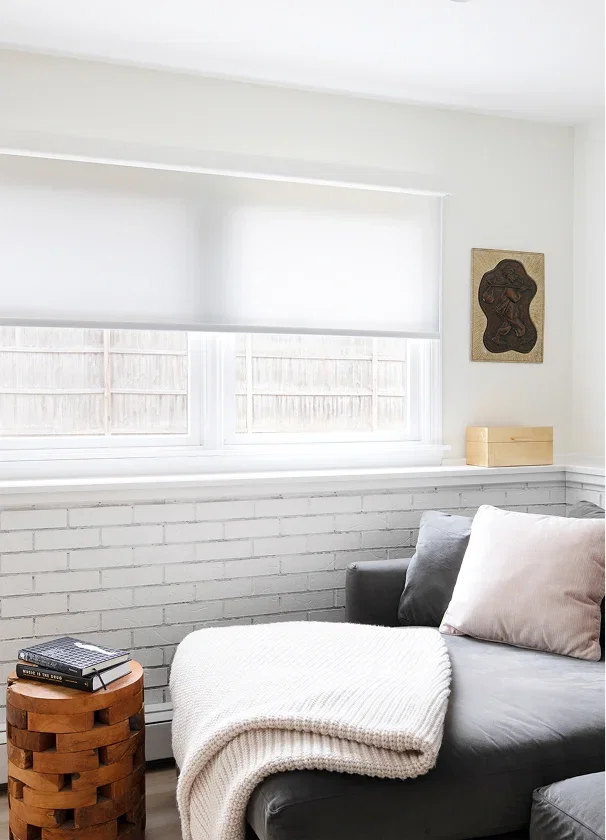
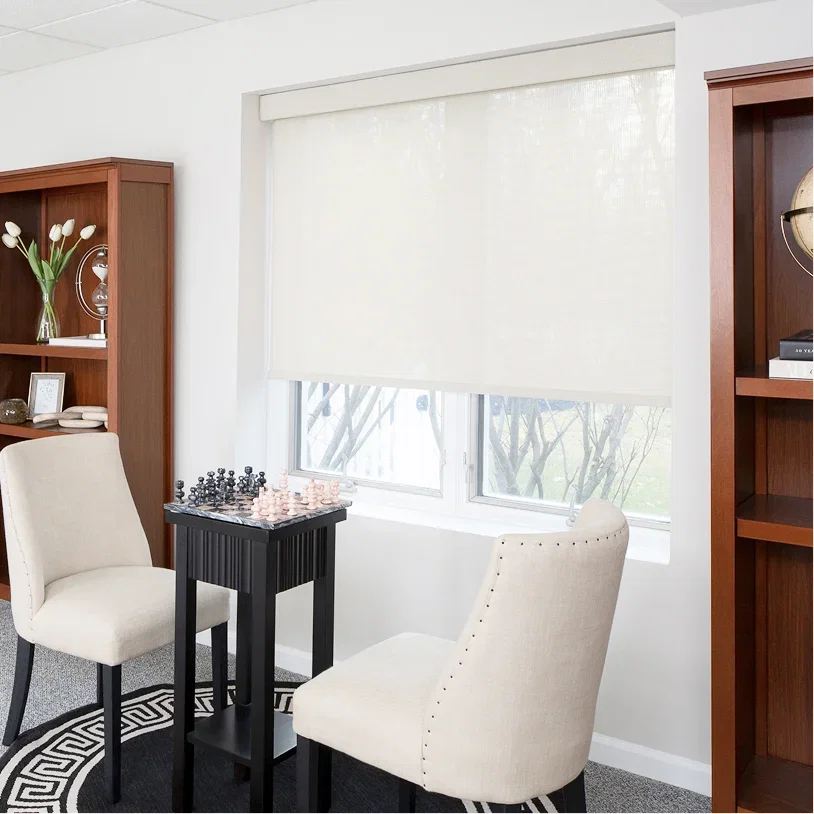
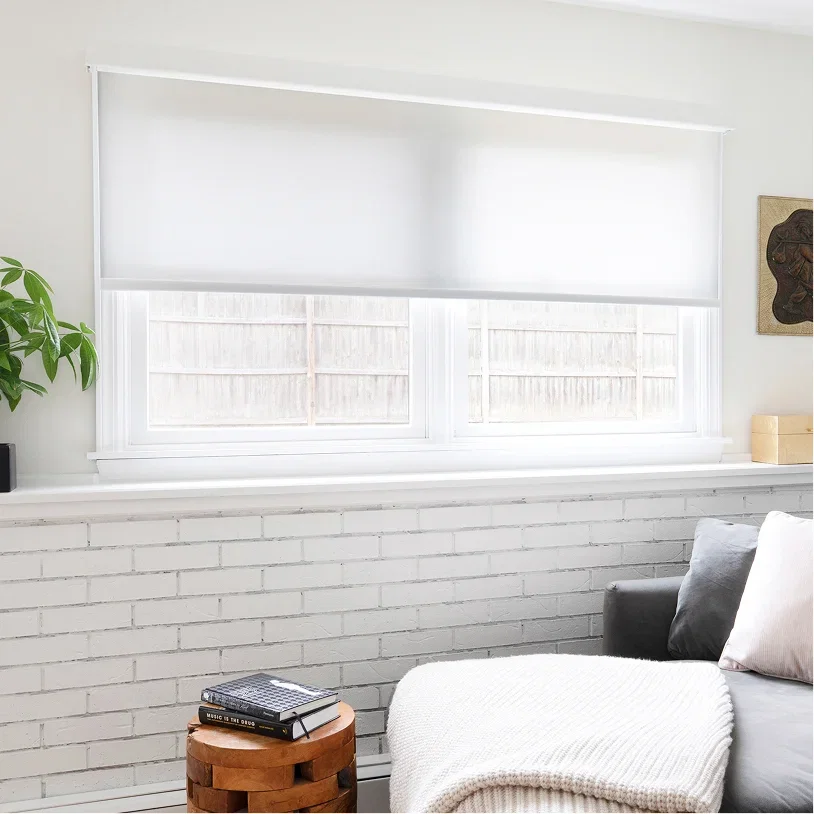
Basement window treatments such as shades, cellular shades, and blinds are designed to address below-grade conditions where standard coverings fall short. Moisture-resistant shades prevent fabric deterioration in humid environments. Cellular shades enhance insulation, minimizing heat loss through basement glazing. Blinds add privacy and security for ground-level windows, limiting visibility from outside.
How to Choose Window Treatments for Your Basement?
Basement windows present unique challenges: ground-level privacy concerns, moisture from below-grade conditions, and limited natural light that requires effective light control. Window treatments designed for basements address these issues while providing security and insulation for converted living spaces. Choose basement window treatments that handle humidity, insulation, and privacy. Opt for moisture-resistant fabrics, cellular shades for energy efficiency, and blinds for light and privacy control at ground level.
Shades, Cellular Shades & Blinds: Basement-Specific Features
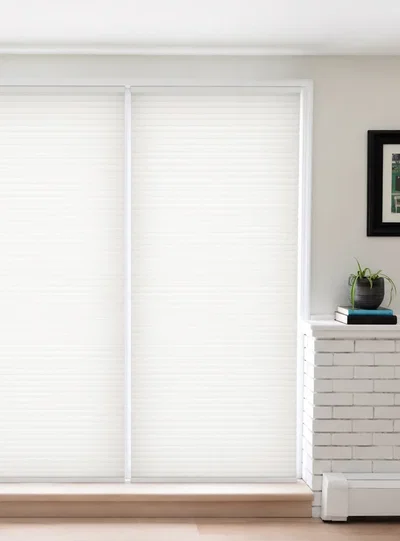
Shades distinguish themselves through moisture resistance: specialized fabrics prevent mold formation common in basement windows. Blackout options provide complete light blocking for home theaters. The compact design fits within window wells, addressing clearance limitations. Cellular shades stand apart with insulation performance: their air-trapping structure reduces heat loss through basement windows: critical in below-grade spaces. Multiple cell sizes increase thermal efficiency. Blinds offer security coverage for ground-level windows: solid materials create visual barriers, solving privacy concerns where windows are accessible from exterior grade. Faux wood blinds resist moisture damage where real wood fails, maintaining dimensional stability in high-humidity basement conditions.

Frequently Asked Questions
Why are shades, cellular shades, and blinds better for basements than traditional window coverings?
Traditional coverings fail in basement environments due to moisture damage: metal rusts, wood warps, and materials develop mold. Shades solve this with moisture-resistant fabrics that resist condensation and prevent mold growth. Cellular shades address insulation problems: their air-trapping structure reduces heat loss through basement windows, a significant energy cost factor. Blinds resolve security concerns: solid materials provide complete visual barriers for ground-level windows, blocking visibility from exterior grade. All three solutions use materials suitable for basement humidity levels and temperature fluctuations.
How much do basement window treatments cost?
Pricing varies by window dimensions, fabric selection, and hardware specifications. Smaller basement windows typically fall within standard pricing tiers, while larger or custom configurations for window wells are quoted individually. near you or schedule a to receive pricing based on your basement window specifications and treatment requirements.
Can I install window treatments myself in a basement?
Self-installation options include tension rod systems and certain clip-on treatments suitable for basement window dimensions. Custom-fitted treatments for window wells and motorized systems require professional installation to ensure accurate measurements, proper mounting in below-grade construction, and system calibration. During consultation, we assess your basement window configuration and identify which treatments are suitable for self-installation versus those requiring professional service, particularly for ground-level installations where security is a concern.
What window treatment works best for ground-level basement windows?
Ground-level basement windows require security and privacy: blinds provide complete visual barrier from exterior grade, blocking visibility into converted spaces. Solid materials eliminate sight lines from outside. Cellular shades with blackout options work well for single-pane applications, while providing superior insulation. Motorized operation solves access problems for windows in window wells or behind furniture. For maximum security and energy efficiency, cellular shades with blackout or thermal linings are specified.
Will window treatments help with moisture and condensation in basement windows?
Moisture resistance varies by treatment type. Shades with moisture-resistant fabrics prevent mold and mildew formation, solving condensation damage common in below-grade windows. Cellular shades allow air circulation that reduces condensation buildup, while their structure provides additional protection. Faux wood blinds resist moisture through composite construction, preventing warping in high-humidity conditions. For basements with significant humidity, moisture-resistant specifications are recommended for all treatment types.
Below-Grade Installation Specifications & Performance Considerations
Shades solve moisture problems unique to basements: moisture-resistant fabrics prevent mold formation in below-grade environments. Compact designs fit within window wells and tight clearances, addressing installation constraints. Blackout options provide complete light blocking for home theaters converted in basement spaces. Custom sizing accommodates non-standard basement windows where off-the-shelf treatments fail. Motorized shades eliminate physical reach requirements for windows in deep window wells.
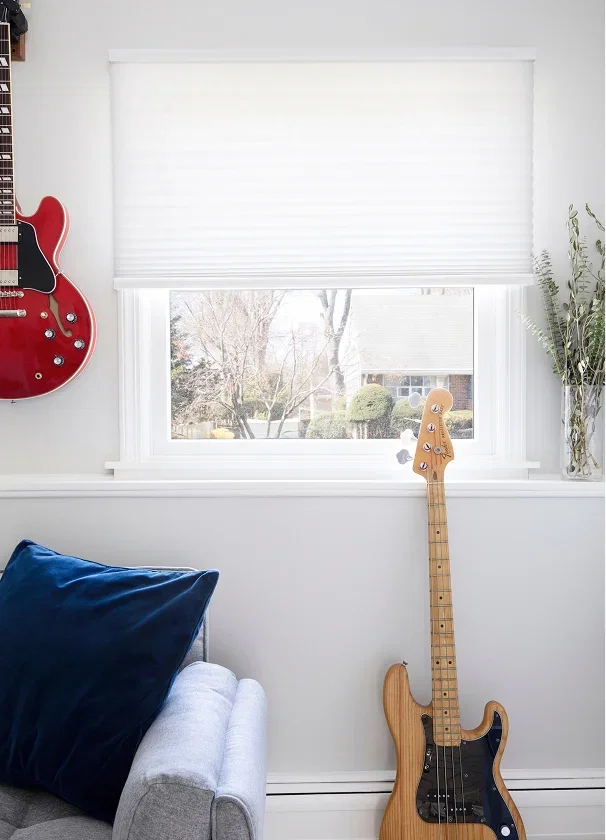
Cellular shades address basement-specific problems: their air-trapping structure provides superior insulation, reducing heating costs in below-grade spaces. Multiple cell sizes increase thermal efficiency for basement windows that are significant heat loss points. Blackout cellular shades offer complete light blocking while maintaining insulation benefits. Motorized operation solves access limitations for windows in window wells or behind furniture in finished basement layouts.
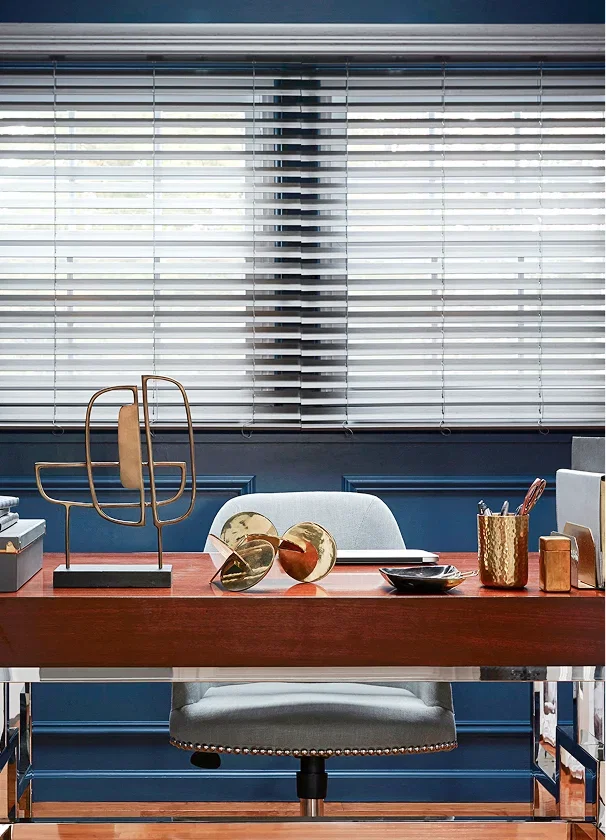
Blinds provide basement-appropriate solutions where other materials fail: faux wood blinds resist moisture damage, preventing warping in high-humidity conditions. Solid materials offer security coverage for ground-level windows, blocking visibility from exterior grade. Faux wood maintains dimensional stability in below-grade environments where real wood deteriorates. Unlike fabric alternatives, blinds provide solid coverage for ground-level installations while maintaining visual appeal in finished basement spaces.